Home, away, third, fourth, special editions and anniversary releases. Football clubs have never had so many shirts to sell. But how many do they actually need?
There was a time when a football club unveiling three shirts for a new season felt like a complete collection.
The home kit represented the club’s identity. The away kit offered an alternative. The third kit provided another option when colours clashed, occasionally becoming a cult classic in its own right.
Today, three shirts can feel like the beginning rather than the end.
Fourth kits, anniversary editions, cultural collaborations, special tournament shirts and limited releases have become familiar additions to the football calendar.
Some are genuinely brilliant. Others seem to exist largely because there’s another opportunity to sell something.
And while supporters are under no obligation to buy them all, there’s a reasonable question worth asking.
Are football clubs releasing too many kits, or are we simply being offered more choice than ever before?
Manchester City: Four Kits, But Only Three for the Premier League
Manchester City provide one of the clearest examples of how unusual the modern football shirt market has become.
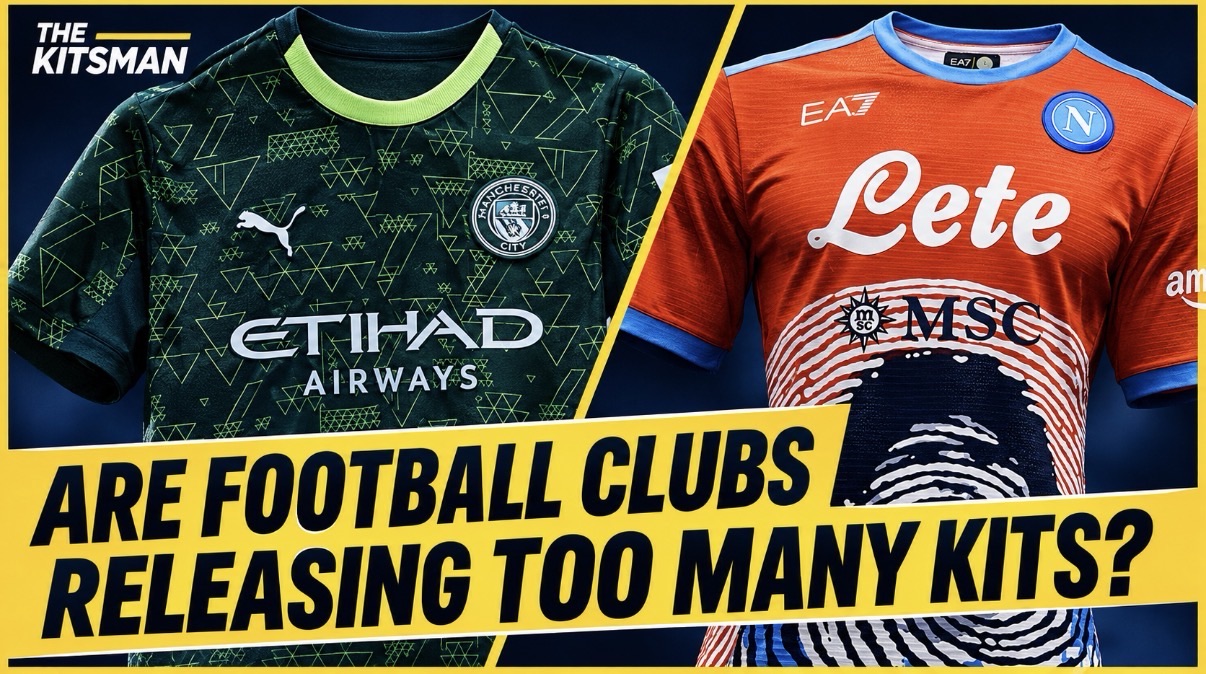
During the 2025/26 season, the club released a fourth kit developed with Puma and EA Sports FC.
The green shirt featured bold geometric graphics inspired by the video game’s visual identity, alongside technology within the crest that connected supporters to digital content.
It was a football shirt, a gaming collaboration and a commercial product rolled into one.
There was just one particularly interesting detail.
Manchester City couldn’t wear it in the Premier League.
Under the competition’s rules, clubs are restricted to three outfield strips during a league season.
City instead debuted their fourth shirt against Villarreal in the Champions League, where the same restriction did not apply.
That distinction says quite a lot about the changing purpose of football shirts.
Traditionally, alternative kits existed to solve a practical problem on the pitch.
Now, a club can create an additional shirt knowing that its opportunities to be worn in domestic league football are limited.
The fourth kit might still appear in European competition, cup fixtures or other contexts, but its existence is no longer primarily about avoiding a colour clash.
It’s also about reaching different audiences.
Manchester City had already explored the fourth-kit market in 2024/25 with their Oasis-inspired Definitely City release, celebrating the anniversary of Definitely Maybe.
They also introduced an additional design for the 2025 Club World Cup.
Taken together, those releases illustrate how the football shirt calendar has expanded beyond the traditional domestic season.
For collectors, that means more variety.
For supporters who enjoy buying their club’s shirts, it can mean a seemingly endless stream of new products.
And for the clubs themselves, it’s another opportunity to connect with fans and generate sales.
Napoli Took Things to Another Level
If four or five kits sounds excessive, consider Napoli.
During the 2021/22 season, the Italian club wore 13 different strips, including Halloween designs, multiple Diego Maradona tributes and European competition variations.
Thirteen.
That’s more than one for every month of the year.
Of course, Napoli were operating in a different league, under different kit regulations, and some of those releases carried genuine significance.
Diego Maradona’s relationship with the city and club is hardly an arbitrary marketing concept.
But the sheer number demonstrates how far the idea of a football kit collection can be stretched.
At what point does a special shirt stop feeling special?
If a club produces one commemorative release every few years, supporters might remember it for decades.
If it produces several every season, the novelty becomes much harder to maintain.
Scarcity has always played a part in football shirt culture.
The more frequently something is presented as a limited or special release, the less extraordinary that description can begin to feel.
Fourth Kits Can Be the Most Interesting Shirts of the Season
Here’s where the argument becomes complicated.
Some of the most imaginative football shirts we’ve covered recently have been fourth kits.
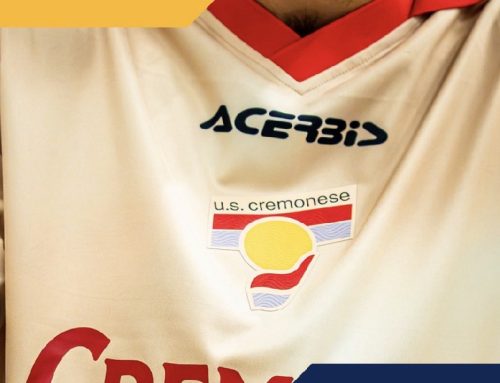
Take Cremonese.
Their 2026/27 Acerbis fourth shirt celebrates Torrone di Cremona, the almond-and-honey nougat associated with the Italian city.
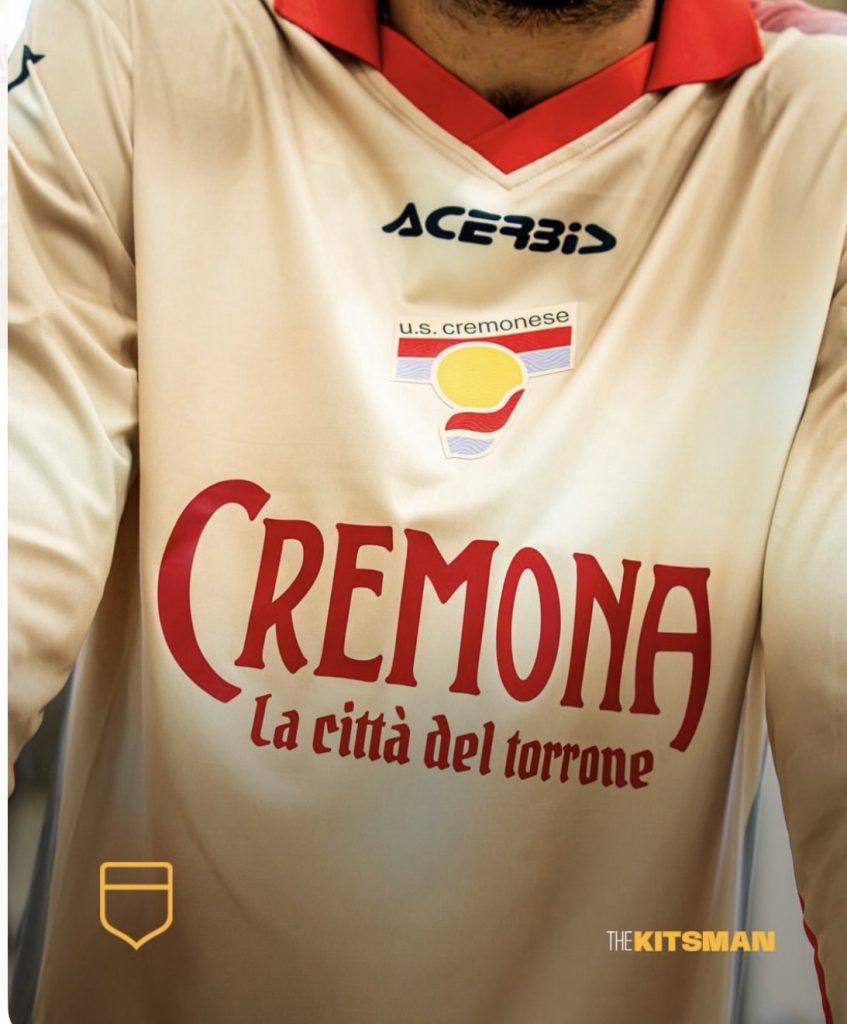
The creamy base, subtle texture, vintage styling and historic-looking crest create a design that feels quite unlike the club’s traditional matchday colours.
It’s a charming piece of local storytelling, and one that might never have existed without the freedom offered by an additional kit.
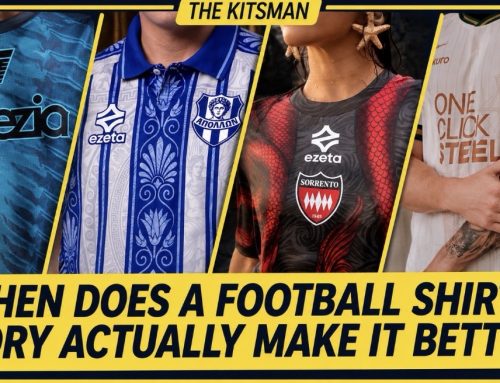
Sorrento’s 2026/27 Ezeta collection provides another example of what happens when manufacturers explore a club’s identity beyond conventional designs.
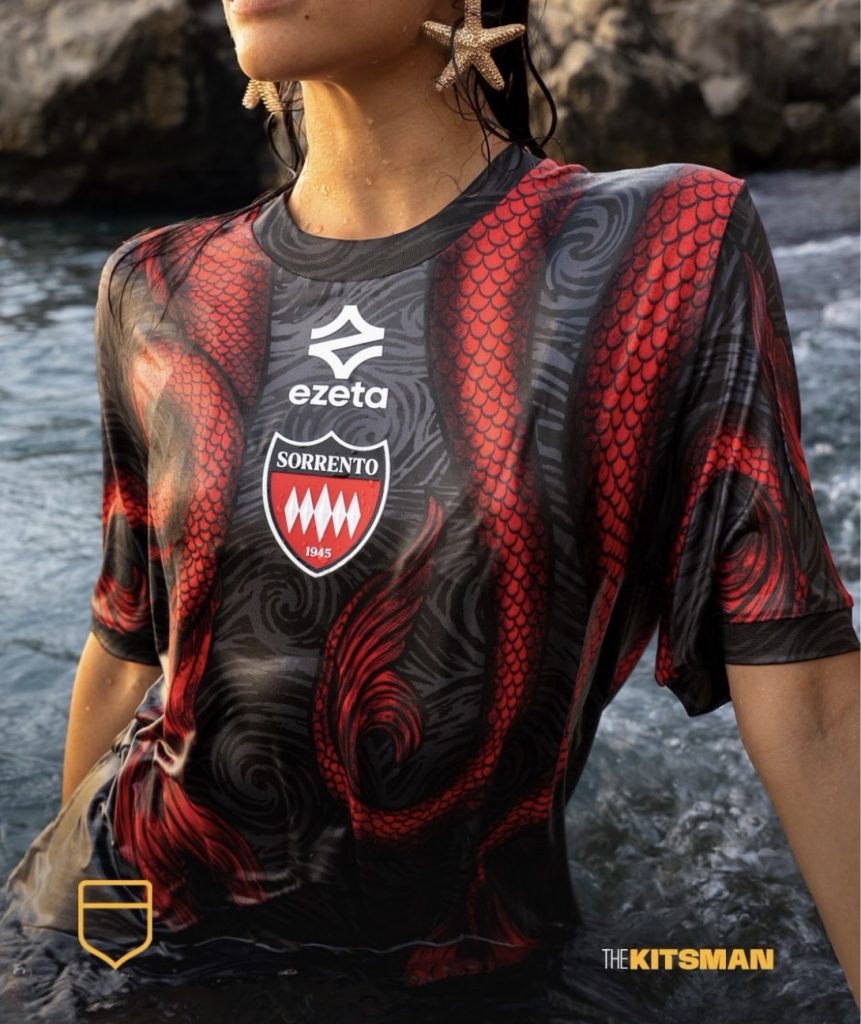
Inspired by the legendary Sirens associated with the Sorrentine Peninsula, the shirts incorporate elaborate illustrations rooted in local mythology.
Our closer look at Sorrento’s extraordinary Ezeta collection explores the details behind all three designs.
These are exactly the sorts of shirts that make modern football kit culture interesting.
They give designers room to experiment, celebrate local history and produce something collectors might appreciate regardless of which club they support.
The problem isn’t necessarily the existence of fourth kits.
It’s whether every club needs to produce one every season.
Are Football Shirts Becoming Fashion Collections?
Venezia offer another interesting perspective.
Their collaboration with NOCTA has continued to position the club at the intersection of football, fashion and contemporary culture.
The club’s 2026/27 away shirt demonstrated that approach, while its later fish-market-inspired fourth kit pushed the boundaries even further.
Drawing inspiration from Venice’s historic Rialto Fish Market, the turquoise design incorporates fish-skeleton imagery into a football shirt.
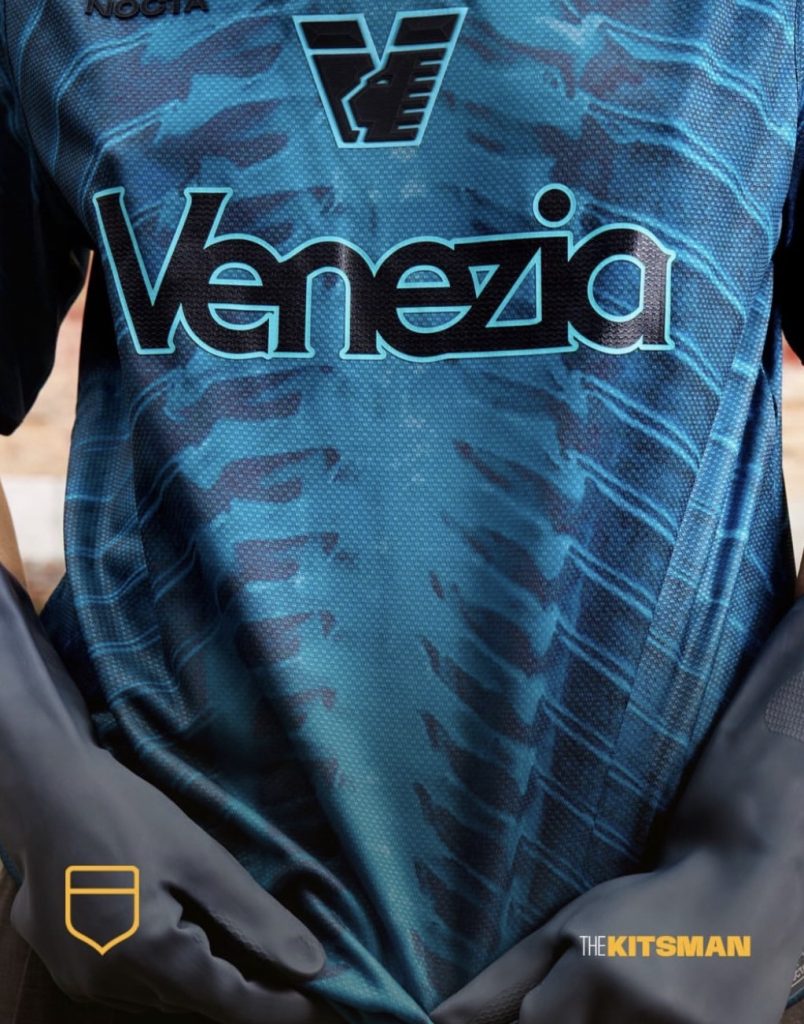
It’s certainly not something you’d expect to see on a traditional home kit.
We’ve previously explored Venezia’s 2026/27 NOCTA away shirt and the increasingly close relationship between football apparel and fashion.
For clubs like Venezia, the shirt isn’t simply something players wear for 90 minutes.
It’s a product with an audience far beyond the stadium.
That creates an interesting dilemma.
If a fourth shirt attracts new supporters, generates attention and looks fantastic, does it really matter how often the team wears it?
From a commercial perspective, perhaps not.
But from a football perspective, the relationship between a shirt and the team wearing it has always been part of its appeal.
A memorable football shirt often becomes iconic because of the matches, players and moments associated with it.
What happens when a design is released primarily as a fashion product and barely appears on the pitch?
It might still be a wonderful shirt.
But its place in the club’s football history becomes rather different.
Nobody Is Forcing Supporters to Buy Them All
There’s an obvious counterargument to the complaint about too many kits.
You don’t have to buy them.
If a club releases five shirts and you only like one, you can simply purchase that one.
More designs mean more choice, and supporters with different tastes have a better chance of finding something they genuinely enjoy.
Collectors benefit too.
Someone interested in retro styling might prefer a commemorative fourth shirt, while another supporter might favour the traditional home design.
The existence of additional shirts doesn’t automatically make the originals worse.
In fact, the commercial success of alternative designs can encourage manufacturers to take creative risks that might otherwise be considered too dangerous.
It’s a perfectly reasonable argument.
But it overlooks one important aspect of supporting a football club.
For many fans, buying the new shirt isn’t just another shopping decision.
It’s a tradition.
Parents buy shirts for their children. Supporters purchase them to mark a new season. Collectors want to maintain complete sets.
That emotional connection is precisely what makes football shirts so commercially valuable.
When clubs repeatedly introduce additional releases, they aren’t simply offering more products to an ordinary customer. They’re selling to people with a deeply established attachment to the badge.
That doesn’t make every fourth kit cynical.
It does mean clubs should recognise the difference between giving supporters more choice and continually encouraging them to spend.
How Much Would Buying Every Shirt Actually Cost?
Consider a hypothetical club selling adult replica shirts at £85 each.
| Number of shirts | Total cost |
|—|—:|
| Home and away | £170 |
| Home, away and third | £255 |
| Four shirts | £340 |
| Five shirts | £425 |
Those figures exclude printing, delivery and any premium authentic versions.
They’re illustrative rather than prices for a particular club, but they show how quickly the expense can accumulate.
A supporter who traditionally purchased the home and away shirts would face an additional £170 to buy a complete four-shirt collection at that price.
For a family with children, the potential cost becomes even more significant.
Nobody is required to purchase everything, but that doesn’t mean the increasing number of releases is irrelevant.
The more shirts a club produces, the more expensive collecting an entire season’s range can become.
And perhaps that is where some supporters begin to feel that football shirt culture has shifted away from them.
Are We Losing What Made Football Shirts Special?
There’s another consequence worth considering.
Some of football’s most recognisable shirts became famous because they were worn repeatedly.
They were associated with title-winning seasons, unforgettable goals, legendary players and iconic photographs.
The shirt became part of the memory.
When clubs release numerous alternatives, those associations can become more fragmented.
A fourth kit worn once or twice might be visually spectacular, but it has fewer opportunities to develop that connection.
Of course, rarity can create its own appeal.
Some shirts become sought-after precisely because they were worn so infrequently.
And the modern market has produced plenty of designs that deserve recognition regardless of their appearances on the pitch.
The issue is one of balance.
Football shirts have always been both sporting equipment and merchandise.
What seems to be changing is the relative importance of those two roles.
When a club creates a kit it cannot wear in its domestic league, the commercial and cultural functions of the shirt become especially obvious.
That’s not necessarily a bad thing.
But it’s difficult to argue that every additional release exists because the football team actually needs it.
So, How Many Kits Should a Club Have?
Three still feels like a sensible foundation.
A recognisable home shirt, an alternative away shirt and a third option for colour clashes provide more than enough variety for most clubs.
Beyond that, an occasional fourth kit or commemorative release can be genuinely exciting.
The key word is occasional.
A special shirt celebrating an important anniversary, local tradition or remarkable piece of club history can feel meaningful.
A fourth kit introduced simply because the previous three have already been launched is considerably harder to justify.
Cremonese’s nougat-inspired design shows how an additional release can celebrate something distinctive about a city.
Manchester City’s EA Sports collaboration demonstrates how far the market has expanded beyond the practical needs of the team.
Napoli’s extraordinary 2021/22 collection shows just how many different shirts a club can introduce.
There isn’t necessarily a universal number at which football clubs cross the line.
But there is a difference between creating something supporters genuinely want and assuming they’ll always want something new.
Perhaps football clubs aren’t releasing too many good shirts. They’re just releasing too many shirts that are expected to be bought.
The best fourth kits deserve to exist.
The question is whether every fourth kit does.
What do you think? Should football clubs stick to three shirts per season, or would you happily see four, five or even more?
Join the conversation: